
Willow
Welcome to
Willow Class
Year 4
Summer Term
Mrs Hadley and Miss Taylor

Homework, Spellings and Times Tables
Homework
Reading
Children will receive a reading book from school, matched to their reading ability, which they should read every day. When they have read it sufficiently well to understand and comprehend what they have read, they will take the Accelerated Reader quiz in school, which will enable them to see their ongoing reading progress. Please also encourage them to read their own books, comics and magazines at home as well, to develop a love of reading and to experience a range of authors and genres.
A visit to a local library can be an amazing experience and enables children to be exposed to an extensive collection of books and resources. Find out more information and details about your local library at the link below.

Spellings
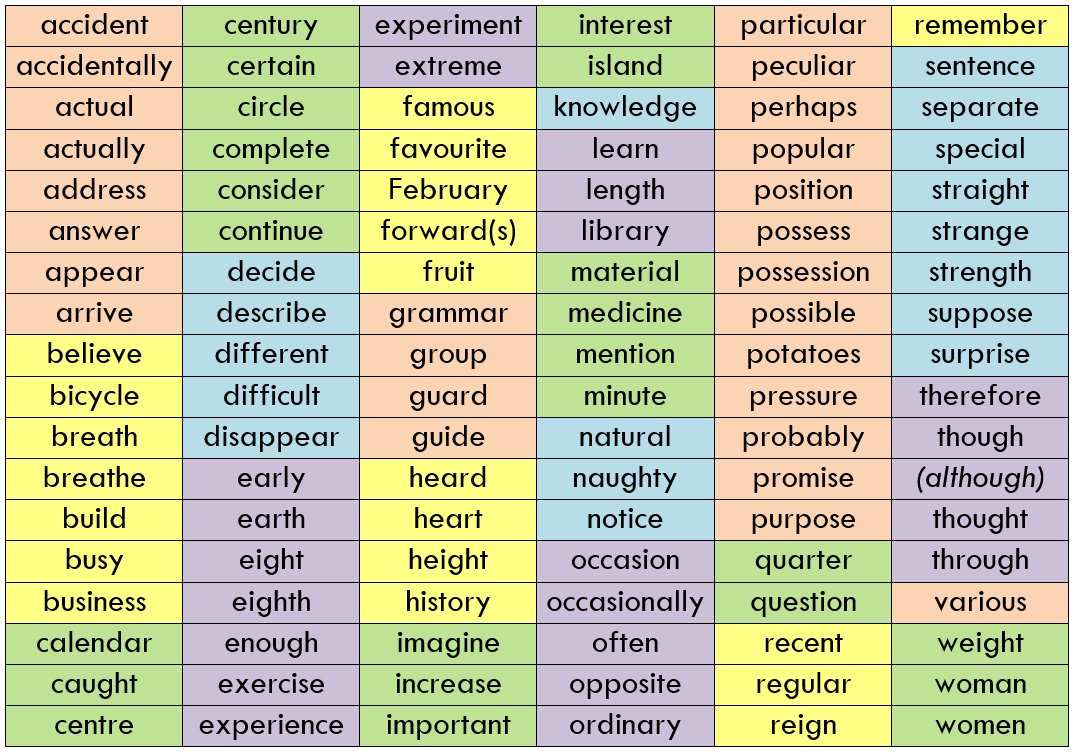
These will be set weekly and practised in school, every day. As well as specific spelling patterns, the Year 3/4 words below will be learnt throughout the year.
We are now using Spelling Shed to support the children's learning; spelling lists and activities can be accessed by logging in. A parents' guide to using Spelling Shed is attached below.
Timetables
Children have been learning their multiplication and division facts since the beginning of Year 2. Children should use their own personalised programme on the online platform, Times Table Rock Stars, every day, to practise these so that they know all of their facts up to 12 x 12 by the end of Year 4.
Homework Projects:
This half-term, our history topic is all about The Tudors For our homework project, children can choose from the Homework Grid below. These projects enable them to be creative in ways that they enjoy. This is a long-term project, to be handed in by Friday 23rd May, to be shared with the class, so please ensure the finished work reflects the time and effort expected of a Year 4 project. You can complete more than one project if you wish to.
These projects will be exhibited to parents at the Open Classroom Event on Monday 14th July.
If you have any questions about any of the above, please ask via Google Classroom.
Summer Term - History and Geography Topic
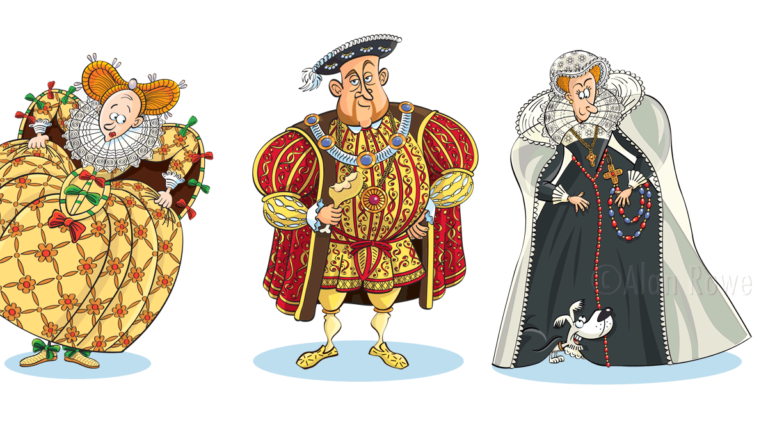
This half-term, our history project looks at the different aspects of life in Tudor times, including what people wore, what they ate, how they treated illness and disease, what life was like for Tudor children, and much more!
Also, as our school is 150 years old in June, we will conduct a local study of the past, present and future of the school.

English
This term, in English, we will be studying story writing, biography and chronological texts.
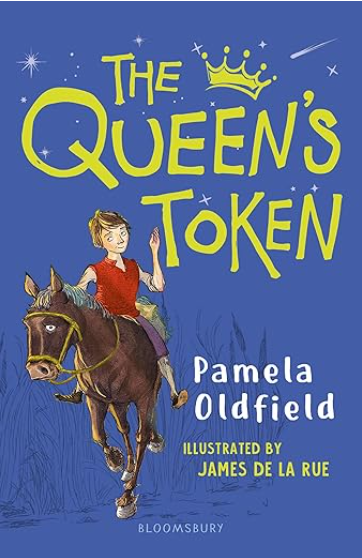
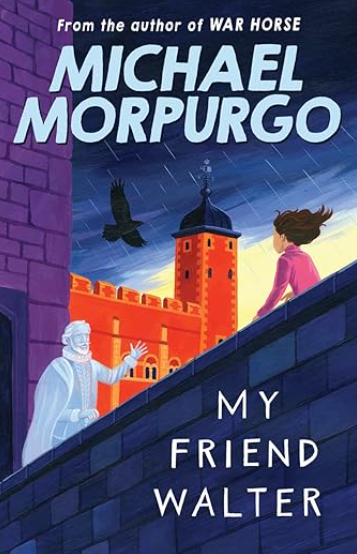
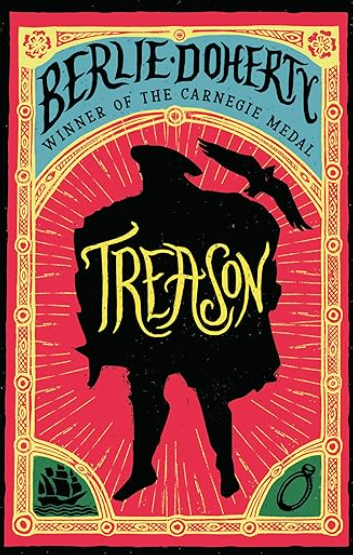
We will also focus on creating clear images of the setting and characters in a reader’s mind for fiction, as well as creating a sense of atmosphere that suits each part of a story through narration, description and dialogue. In non-fiction, we will focus on writing clearly and effectively to convey our meaning to the reader.
We will also continue to evaluate and edit our writing.
We will practise our reading comprehension through literature, poetry and non-fiction texts and practise our knowledge of vocabulary, grammar and punctuation.
Remember...

Maths
During the Spring Term we will investigate:
- Decimals
- Money
- Time
Have a look at the WRM Website (click on the logo below) for resources to support your child with these topics.
KIRF: I know ALL times table facts to 12x12 (x and ÷) - see KIRF sheet (Spring 2) below.
Continue to practise your maths facts - there is a great leaflet below giving you fantastic advice on how to make learning maths fun at home.
Time Tables
Multiplication tables Check
Your child will be participating in the multiplication tables check in June. The purpose of the check is to determine whether your child can fluently recall their timetables up to 12, which is essential for future success in mathematics. It will also help us identify if your child needs additional support.
What is the Multiplication tables check? It is an on-screen check consisting of 25 times table questions. Your child will be able to answer 3 practice questions before taking the actual check. They will then have 6 seconds to answer each question. On average, the check should take no longer than 5 minutes to complete.
What if my child cannot access the check? There are several access arrangements available for the check, which can be used to support pupils with specific needs. Your child’s teacher will ensure that the access arrangements are appropriate for your child before they take the check in June. The check has been designed to be inclusive and accessible to as many children as possible, including those with special educational needs or disability (SEND) or English as an additional language (EAL). However, there may be some circumstances in which it will not be appropriate for a pupil to take the check, even when using suitable access arrangements. If you have any concerns about your child accessing the check, you should discuss this with your child’s school.
Do I need to do anything to prepare my child for the check? No, you do not need to do anything additional to prepare your child for the check. As part of usual practice, we will ask you to practise times table with your child. We will have unlimited access to a 'try it out area' from March. We can use this to make sure pupils have the necessary support required to access the check. This includes opportunities for pupils to familiarise themselves with the check application and try out any access arrangements that may be required.
How will the results be used? We will have access to all our pupils’ results, allowing those pupils who need additional support to be identified.
Will I receive feedback on my child’s check? Yes. Your child’s teacher will share your child’s score with you with the annual school report, as they would with all national curriculum assessments. There is no pass mark for the check.
Taken from: Information for parents: 2022 multiplication tables check (see below)
Science
In science, we will work scientifically to investigate and learn about:
States of Matter
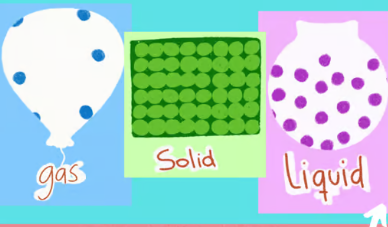
This half-term we will learn all about the differences between solids, liquids and gases, and how different materials can change state. We will undertake practical experiments to help the children understand the processes of evaporation and condensation, and the water cycle.

Computing
In computing, this term, we will cover:
- Animation
- Effective searching
- Hardware
- Making Music
- Introduction to AI
- Microbit
Most of the classwork will be done using Purple Mash. Log on below to complete any tasks set or to just explore and have some fun.
PE/LOTC
This term in PE we will be taking part in:
- Rounders
- Fitness
We will usually do PE on a Wednesday and Thursday afternoon, but please ensure your indoor and outdoor PE kit is in school at all times, just in case this has to change.
In LOTC we will be doing:
|
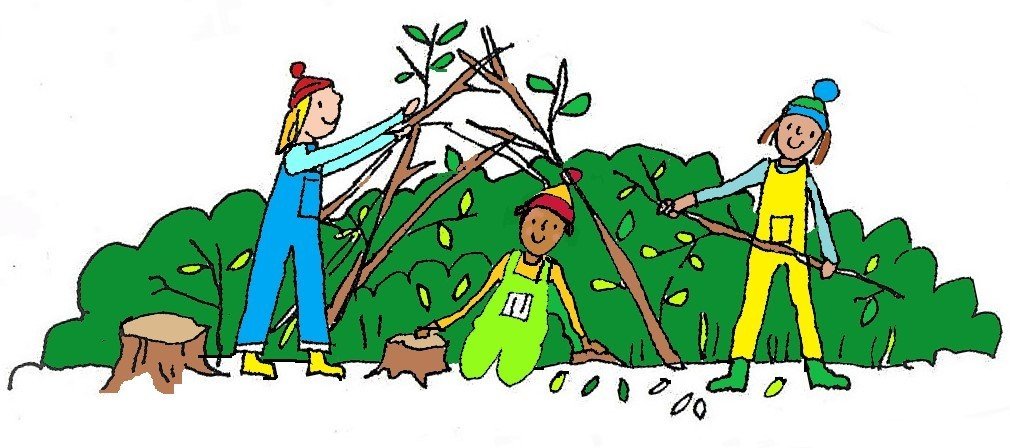
LOTC is on Mondays - please ensure you are wearing and have suitable clothing (arms and legs to be covered at all times) for the activities and weather conditions. A hat and sun cream in hot weather is needed and a warm hat, scarf and gloves for cold weather. It is always a good idea to bring a spare set of clothes to change into after your outdoor session - just in case!